There's a new dust-up over the price of ebooks, and it could be very good news for small, independent publishers, although not such good news for consumers.
The short version is that Macmillan, one of the 'big six' traditional publishers, wants Amazon to price their ebooks using an "agency model." That means that Macmillan sets the price the book sells for on Amazon, and Amazon gets 30%, with 70% going to the publisher. Under the existing model, Amazon pays Macmillan 50% of the retail price, but Amazon is free to sell the book for whatever price they want.
Amazon charges $9.99 for most best-sellers in order to promote their Kindle, and they take a loss on most of those books. Macmillan wants the ebook price to be closer to $15. They say that if Amazon won't adopt an agency model, they will delay the publication of the ebook by seven months after the publication of the hardcover.
Macmillan has a good reason for doing this. They're afraid that a $10 ebook will steal sales from the $25 hardcover. As I've noted in earlier posts, traditional publishers have lots of expenses to recoup. They have the author's advance, the cost of editing, book design, cover design, and marketing, plus they have to print books, warehouse them, ship them to distributors, and be prepared to accept returns. True, some of those costs don't apply to ebooks, but the creation of a book, print or digital, is expensive, and when Macmillan puts out a new book, they want the same profit for the ebook that they get for the hardcover, and they don't want the expensive hardcover to have to compete with a cheap ebook.
Recently Hachette and Harper Collins have joined Macmillan in demanding an agency model from Amazon.
Why is this happening now? The Apple iBookstore, which will open soon to provide books for the Apple iPad, uses the agency model. Now that publishers have a viable alternative to Amazon's Kindle, they can demand better terms from Amazon.
Kindle owners tend to resist spending more than $9.99 for an ebook, and as I am also a Kindle owner, I understand why. When I buy a paperback (I don't buy hardcovers), I can pass it along to friends or family, or sell it online or to a bookstore, or donate it to the library. If the ebook and the paperback are about the same price, I'll buy the paperback. It's all about value, what the book is worth to me.
I have on occasion bought the $9.99 ebook edition of a new release that was only available in hardcover, but I very much doubt I will ever pay more than that. I'll wait the 6-8 months until the paperback is available, or until the price of the ebook drops.
That's the consumer's point of view, and as a consumer, I won't be paying Macmillan their $15.
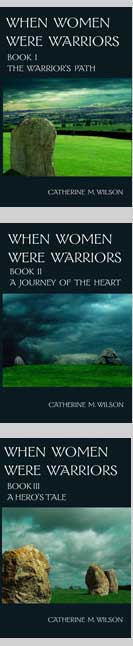
As an author/publisher, however, I'm ecstatic! My books, priced at $9.99 (with Book I at just 99 cents), will be that much more attractive, compared to new releases from traditional publishers.
But the best news is that Amazon is going to be offering a new contract to publishers starting in June. Right now I receive just 35% of the retail price of Kindle books. The new deal will offer me 70% of retail, less delivery costs of 15 cents per MB. There are a few conditions. The book must sell for between $2.99 and $9.99 retail. Aha! There's that $9.99 price point. Also, the ebook must be priced at least 20% less than the paperback price.
I will have no problem meeting those conditions, and that means that in June, I may be able to lower the price of my Kindle books. The meager 35% I get now means that I make over $1 less on ebooks than paperbacks. Because I sell 3 or 4 ebooks for every paperback, it's a reasonable trade-off, but it also means that I've been reluctant to price the ebooks at less than $9.99, especially given the very low cost of Book I.
We have Apple, Macmillan, and the agency model to thank for Amazon's new terms, because Amazon would never have done it without the competition. If you have read my
earlier posts, you will remember that I have stated more than once that when Amazon wasn't the only game in town, they would have to give authors and publishers a better deal, but I didn't expect it to happen this soon.
There are more issues to discuss here, and I will be blogging about them in the next few days, so stay tuned.
Meanwhile, here are some interesting links.
An overview:
Amazon, Macmillan: an outsider's guide to the fightAmazon's "new deal" for publishers:
Publishers Who Play Ball with Amazon's Kindle Will Get 70% Royalty RateApple's iPad's effect on the publishing industry:
Hachette joins Macmillan's iPad Amazon pricing crusade